COS, CUS, and CAS Explained for Beginners
If you're looking to buy land, you've probably heard the terms COS, CUS, and CAS everywhere. And no, they're not references to the anxiety your new investment might cause (only old-school folks will get that), but technical terms that will help you shape your construction project.
COS stands for Land Occupation Coefficient, CUS for Land Usage Coefficient, and CAS for Land Absorption Coefficient. All three indicate how much of a plot of land is being—or can be—used for construction or other purposes.
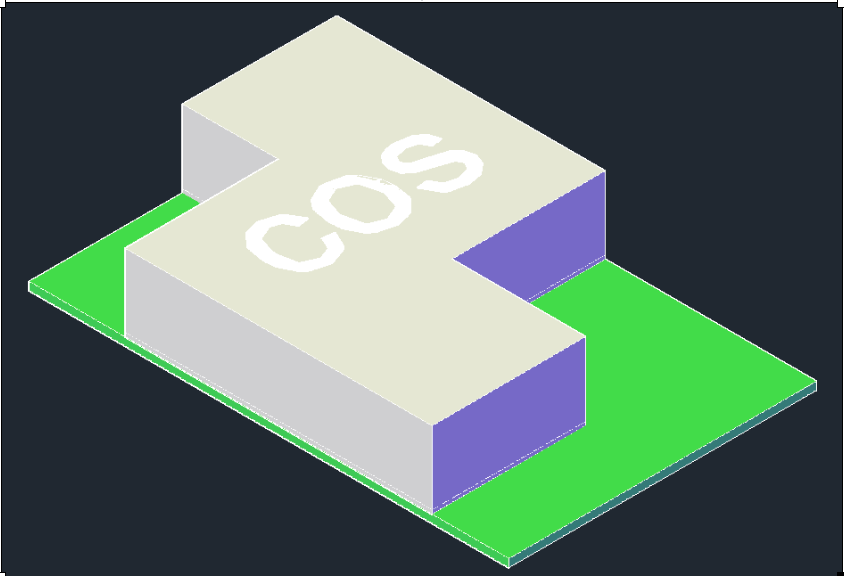
COS is expressed as a percentage of the plot's surface that can be built upon. It's used to regulate development in a given area and ensure proper, sustainable land use. It sets the maximum buildable area on a specific lot.
Example: Let’s say you have a 100 m² plot in Playa del Carmen, and the COS is 80%. This means you can build on 80% of the land, leaving the remaining 20% (or 20 m²) free.
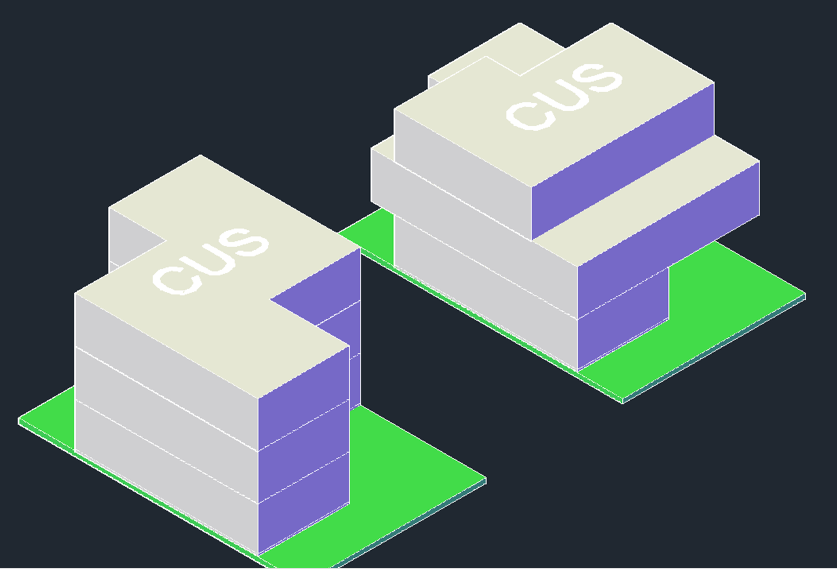
CUS, expressed in “times,” refers to the maximum total floor area allowed, relative to the COS.
Example: A 100 m² lot with a COS of 80% and a CUS of 4 allows for construction of up to four floors, each of 80 m².
The difference between COS and CUS is that COS refers to actual surface occupation, while CUS refers to the permitted usage. In short, COS is what’s happening on the ground, and CUS is what’s allowed to happen. COS relates to the ratio between the built-up area and the total lot size, while CUS relates to how much you’re allowed to build in total floor area.
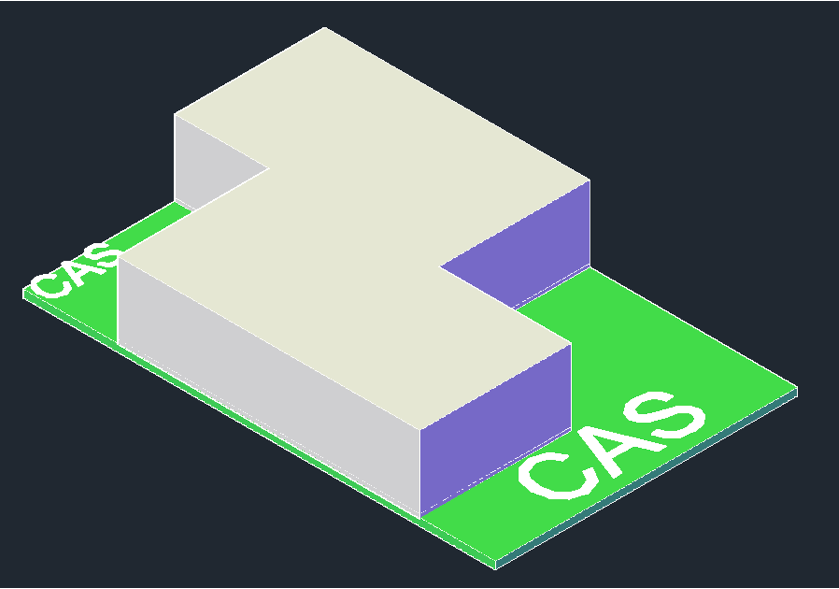
CAS refers to the part of the land that must remain free of construction, roofing, or any impermeable material that prevents water absorption.
Example: If that same 100 m² lot, now located in Mérida, has a CAS of 30%, you’ll need to leave 30 m² as open green space for water infiltration and absorption.
Let’s simplify it
Picture a giant shoebox—that’s your land. COS tells you how much of the box is already filled with shoes (buildings, driveways, etc.). CUS tells you how much shoe space you’re allowed to use. In other words, CUS sets a limit on how many shoes you can have in the box.
Can COS and CUS change over time?
Yes. COS and CUS can vary within the same geographical area over time, due to changes in urban planning and building regulations. For example, if an area develops further—like parts of Tulum—the COS might increase. On the other hand, if regulations tighten, the CUS may decrease, limiting what you can build.
Municipal changes—like new green space requirements or conservation laws—can also influence land coefficients, especially in sensitive areas of the Riviera Maya or the historical districts of Mérida.
If you're planning to buy land for construction, it's a good idea to visit your local Urban Development Office and review the official Urban Development Plan before making a purchase. This will help you avoid delays and complications with building permits.
See you next time!
💬 Got questions? Message us on WhatsApp